Real Estate Drone Photography in Siouxland: What FAA Certification Actually Means
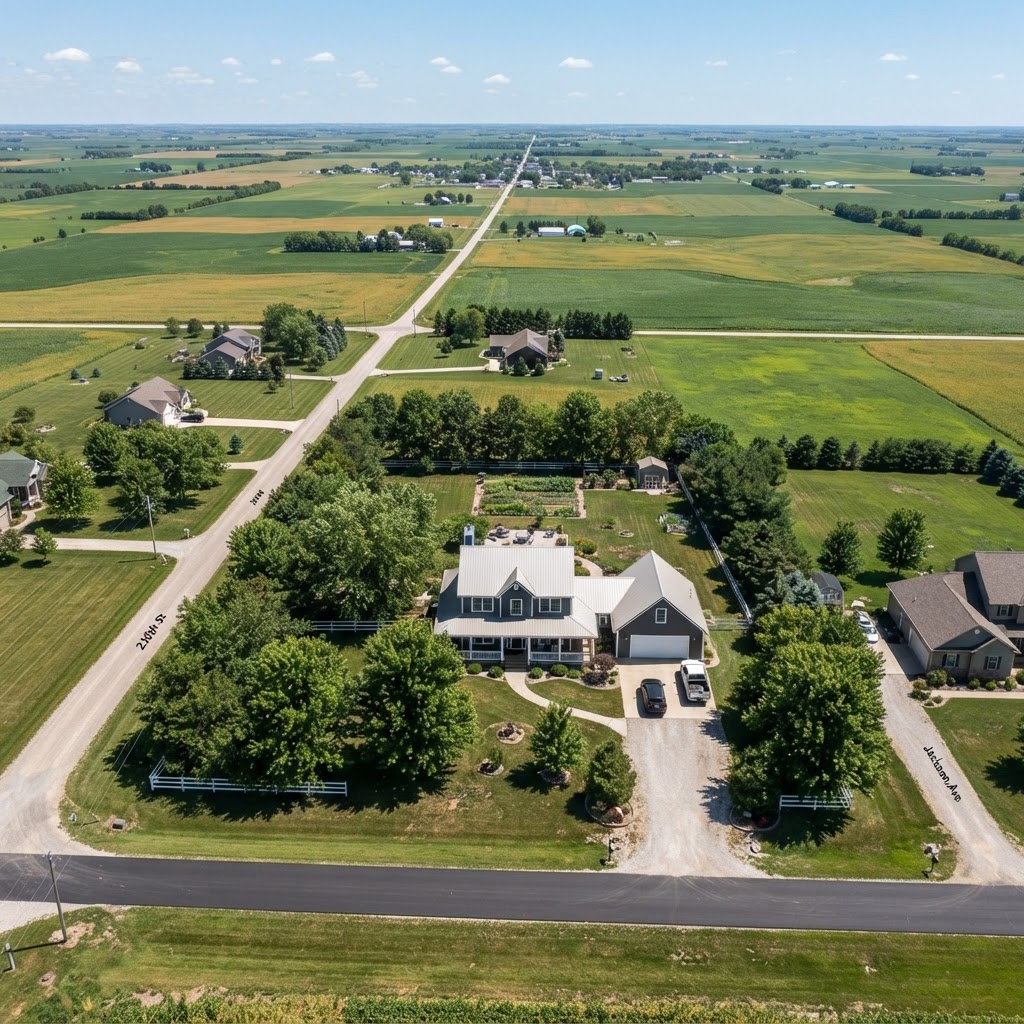
An aerial shot tells the story a ground-level photo cannot: the size of the lot, the privacy of the backyard, the way a property sits in its neighborhood, the acreage on a rural Plymouth County listing. For a lot of homes in Siouxland, the drone shot is the shot that sells. But there is a legal layer underneath it that most agents never think about, until it becomes their problem.
Part 107 is the law, not a nice-to-have Here is the rule in plain terms: if a drone is used commercially (meaning money changes hands, which absolutely includes marketing a listing), the pilot is required by the FAA to hold a Part 107 Remote Pilot Certificate. There is no hobby exemption. The recreational drone rules explicitly prohibit commercial use, so "my nephew has a drone" is not a legal option for your listing.
What Part 107 actually requires Getting certified is not trivial, which is exactly why it matters. To earn a Part 107 certificate, a pilot must:
- Be at least 16 years old and pass TSA security vetting (a background check).
- Pass a 60-question aeronautical knowledge exam at an FAA-approved testing center, covering airspace, weather, regulations, loading, and emergency procedures.
- Stay current by completing free online recurrent training every 24 calendar months. (This changed in 2021. It is no longer an in-person retest. The certificate itself never expires; only currency must be maintained.) On top of that, a compliant operator flies within the rules every time: under 400 feet, within visual line of sight, in a drone that is registered and broadcasting Remote ID, and using LAANC to get near-instant airspace authorization where controlled airspace requires it, which matters around Sioux Gateway Airport.
The liability that can land on you This is the part agents need to hear. When an uncertified operator flies a commercial job, they are breaking federal law, and the FAA has issued civil penalties reaching into the tens of thousands of dollars per violation. If something goes wrong on the shoot (a crash, property damage, an injury), the liability does not necessarily stop with the pilot. It can extend to the agent who hired them and the brokerage behind them. Uncertified operators also rarely carry the commercial drone insurance that would cover any of it.
How to verify a pilot in about 30 seconds You do not have to take anyone's word for it. The FAA maintains a public airmen registry where you can confirm a pilot holds a valid Part 107 certificate. Any professional worth hiring will hand you that information without hesitation. Most brokerages and commercial clients also require proof of at least $1 million in liability coverage before a drone flies over their property, a good standard to hold to.
Where we stand Capture Influence is FAA Part 107 certified and insured, and every aerial we fly across Iowa, Nebraska, and South Dakota is done in full compliance. That is not a marketing line. It is risk you do not have to carry.